Small Business Branding Guide: Strategy, Identity & More
Everything you need to know about building a brand that actually gets you noticed, from the strategy behind it to knowing when it's time for a change.
If you've ever looked at your website, your business cards, or your Instagram grid and thought this doesn't feel like me, you're not alone, and you're not overreacting! Most small business owners don't struggle because they lack good instincts, they struggle because nobody ever handed them a clear framework for what branding actually is, how to build one strategically, and how to know when what they have isn't working anymore.
That's what this guide is for. Whether you're starting from scratch, patching together a DIY identity that's outgrown you, or you have a nagging feeling it might be time for a rebrand, you'll find the strategy, the visual thinking, and the real signs to look for all in one place. Consider this your starting point before you ever book a call with us.
Table of Contents
Brand Strategy: The Foundation Before the Pretty Stuff
Here's the thing nobody tells you when you're eyeing Pinterest boards and font pairings: the visuals are the last step, not the first one. A logo you love that isn't built on a real strategy is just a nice picture. It won't attract the right clients, and it definitely won't hold up as your business grows.
Real brand strategy starts with clarity: who you serve, what makes you different, and what you want people to feel when they encounter your business. From there, most strong brands are built on a few consistent pillars: the non-negotiables that shape every decision, from your color palette to your Instagram captions. Skip this step, and even the most beautiful design will feel hollow six months in.
This is also where many businesses quietly go wrong, chasing trends rather than the truth, or copying a competitor's aesthetic instead of building something rooted in their own story.
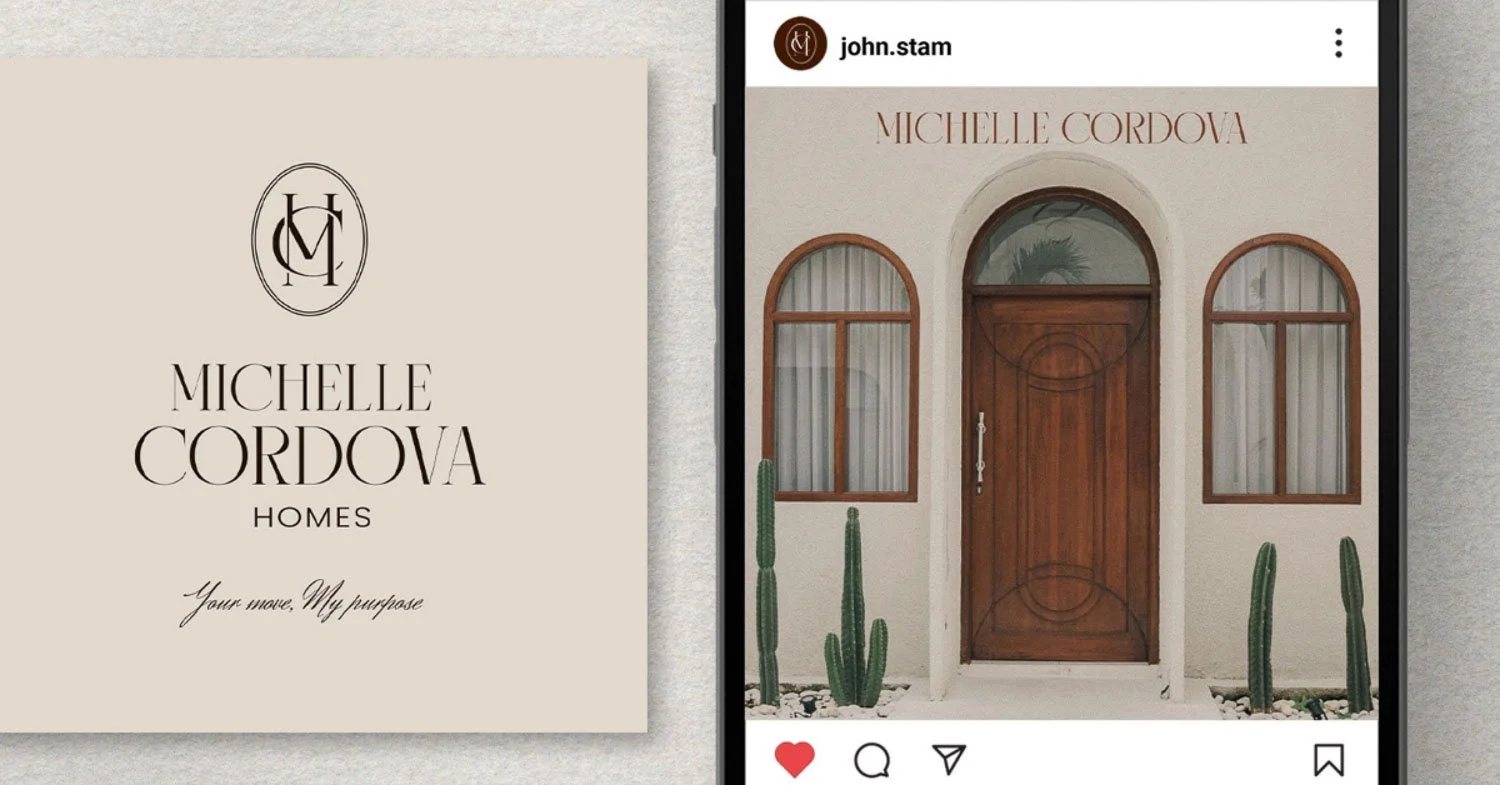



Brand Identity: Turning Strategy Into Something People See
Once your strategy is solid, identity is where it becomes real: your logo, colors, typography, photography style, the whole visual language of your business. Done well, this isn't decoration, but rather psychology. Color, shape, and type all send signals to your ideal client before they've read a single word, which is why first impressions form in seconds and are brutally hard to undo.
This is also where the "boutique" difference shows up. A template logo and a strategically designed identity might look similar at a glance, but one is built to work as hard as you do (across your website, your packaging, your social presence) and one just fills space until you notice it's not quite right.


Is It Time for a Rebrand?
Not every business needs to start over, but plenty of businesses have simply outgrown what they built years ago, and the brand hasn't caught up to how far the business has come. The tricky part is telling the difference between "I'm just bored of my colors" and "this is actively costing me clients."
There are real, recognizable signs it's time: inconsistent messaging, a visual identity that doesn't match where your business is now, a nagging sense that you're outshined by competitors who look more established than you. And there's a real difference between restlessness and readiness. This section walks through both, so you can make the call with clarity instead of a gut reaction on a slow Tuesday.
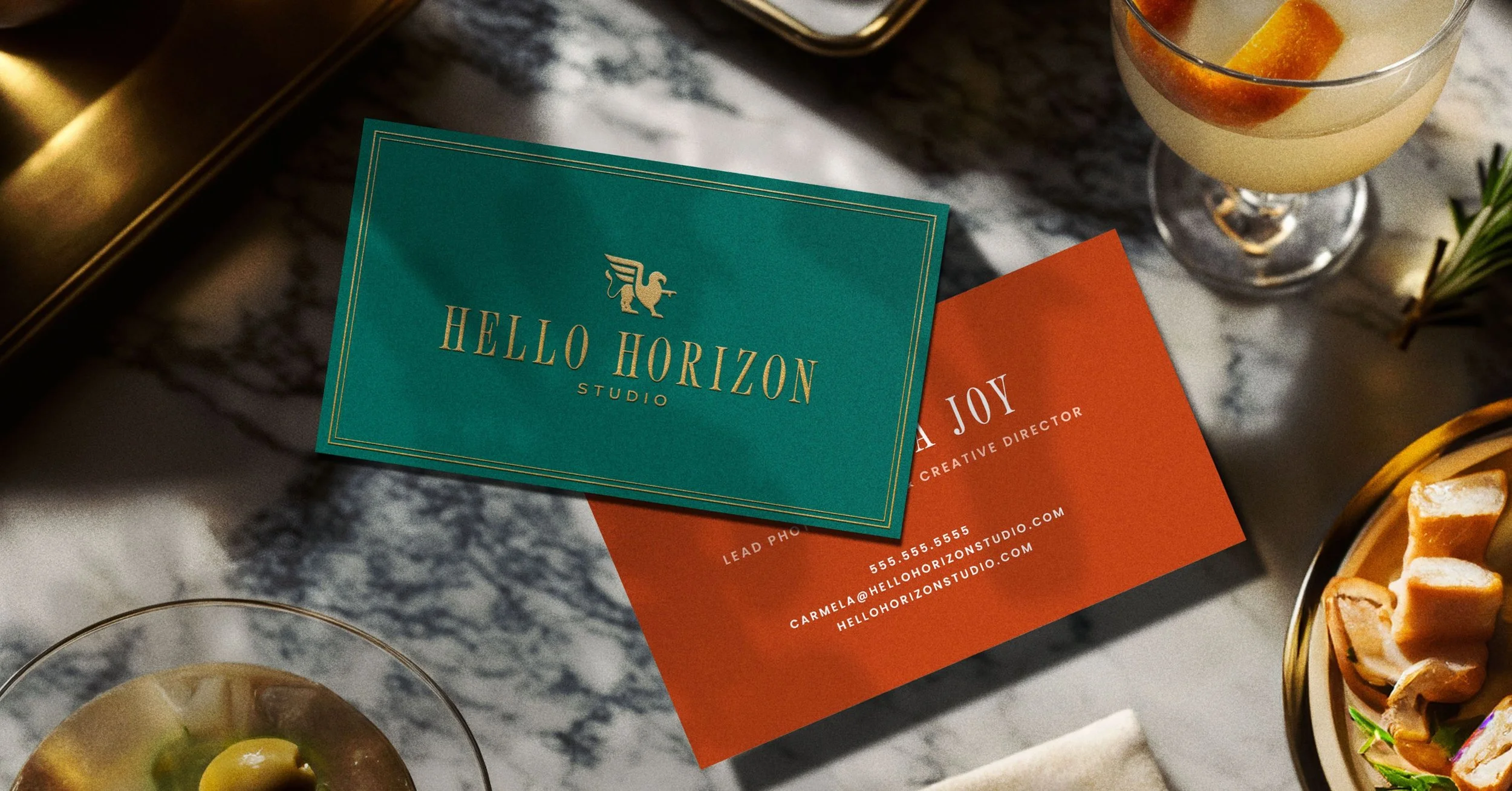

Branding by Industry
Branding fundamentals hold true everywhere, but how they show up looks different depending on what you do and who you're trying to reach. A few industries we work in often enough to have written the playbook on:
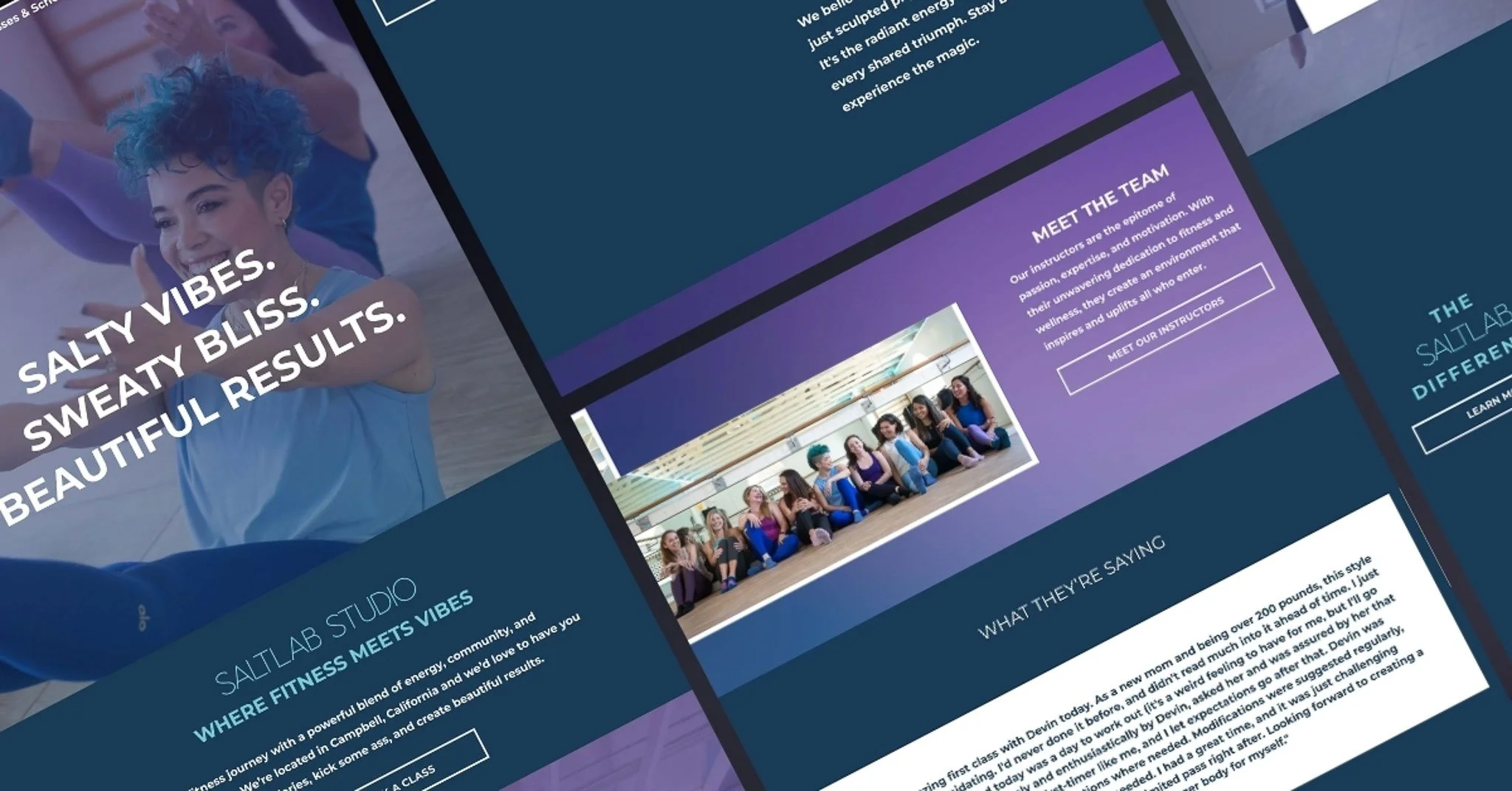


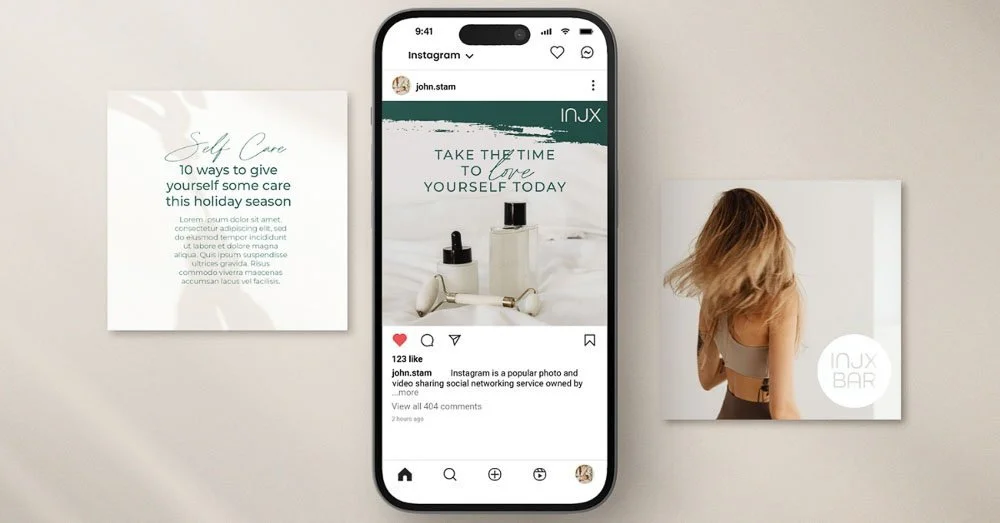


From Strategy to Reality: Bringing Your Brand to Life
Strategy and identity only matter once they show up in the real world, whether it’s your packaging, your print materials, your physical presence as a business. Knowing which vendors and resources to trust for that final step matters more than people expect, and it's one of the most common questions we get post-launch.

Your Brand Online: Where Identity Meets Website
A brand has to hold up everywhere someone encounters your business, and for most clients, that's your website before anything else. This is where strategy and identity get tested in the real world: does your site actually feel like the brand you built, or does it read like a template with your logo dropped on top?
The good news is that a strong brand foundation makes website design faster and more decisive. Every layout choice, every piece of copy, every image selection has something to check itself against.



What's Changing in Branding Right Now
Branding fundamentals are steady, but the expression of them shifts what feels fresh versus dated, what your ideal client is responding to this year versus three years ago. Worth a periodic check-in, especially if it's been a while since you looked at your brand with fresh eyes.

FAQ
-
It depends on scope, but a professionally strategized and designed brand typically starts in the low thousands for a solo entrepreneur and scales up from there depending on how many assets and touchpoints you need. You can explore our specific services and investment here.
-
Most rebrands take 4–8 weeks from strategy through final delivery, depending on how many assets you need built out and how quickly feedback rounds move. Bigger rebrands involving a full website too tend to run 8–12 weeks.
-
You can hire a logo designer, and you'll get a logo. What you won't necessarily get is a reason for every color, shape, and word choice to exist, which is the difference between a brand that just looks nice and one that actually converts. If you already have rock-solid clarity on your ideal client and differentiation, you may be ready to skip straight to identity design. If you're not sure, strategy first is almost always the better investment.
-
Branding is who you are. Marketing is how you tell people. A great marketing campaign built on a weak or unclear brand will always underperform since it's asking people to remember something that isn't distinct enough to remember. Branding comes first; marketing is what you build on top of it.
-
A few honest checkpoints: Are you attracting the clients you actually want, or just whoever finds you? Does your brand look and sound consistent everywhere someone might encounter it? Do you feel proud sending someone to your website, or do you find yourself explaining it away? If more than one of those gives you pause, it's worth a closer look.
Before You Go…
Branding isn't a one-and-done checklist, it's the thread that ties every touchpoint of your business together, and it's allowed to evolve as you do. Whether you're building from the ground up or finally giving your business the identity it's outgrown waiting for, the goal is the same: a brand that feels unmistakably you, and unmistakably worth remembering.
We've helped businesses across the country, from med spas to real estate to fitness studios, make that leap and we'd love to help you make it too. Ready when you are.