Brand Strategy Framework: 5 Steps to Define Your Pillars
Brand strategy is often the missing link between a business that looks good and a business that actually grows. If your website feels disconnected from your social content, or your messaging changes depending on the day, it’s usually not a design problem, but a brand strategy problem.
At Bell & Whistle Design Studio, we see this all the time, with businesses coming to us feeling stuck, inconsistent, or unsure how to explain what makes them different. And our solution almost always starts with clarifying their brand foundation and defining strong brand pillars. Brand strategy isn’t about buzzwords or trendy visuals. It’s about building a brand foundation that supports every decision you make, from your website to your Instagram captions to the way you talk about your work with potential clients. Let’s walk through a clear, approachable brand strategy framework that helps you do exactly that!
Step 1: Start With a Clear Brand Foundation

Before we talk about visuals, messaging, or marketing, we have to talk about your brand foundation.
Your brand foundation is the strategic base your entire business is built on. Without it, your brand messaging can feel scattered, and your brand design may look nice but lack intention.
What goes into a brand foundation?
A strong brand foundation typically includes:
Your mission and long-term vision
Who your brand is for and who it’s not for
Your positioning in the market
Your brand pillars
A clear brand messaging framework
When this foundation is in place, decisions become easier. Your content sounds more confident. Your website feels aligned. Your brand message stays consistent no matter where people find you.
Step 2: What Is a Brand Pillar and Why Does It Matter?

This is one of the most common questions we get. What are brand pillars, really?
A brand pillar is a core idea, value, or focus that supports your brand. It acts as a guide for how you show up, how you communicate, and how you make decisions. Think of them as the themes that hold your brand steady. They help ensure your messaging, visuals, and experience all feel cohesive.
How many brand pillars do you need?
Most brands benefit from three to five brand pillars. Fewer than that and your brand may feel flat. And more than that, things can get confusing fast.
Your brand pillars should feel clear, intentional, and easy to recognize in your brand messaging and brand design.
Step 3: How to Build Strong Brand Pillars
Strong brand pillars don’t come from trends or what competitors are doing. They come from clarity.
Ask the right questions
To define meaningful brand pillars, ask questions like:
What do we want to be known for?
What matters most to our clients?
What do we consistently deliver well?
What values guide our decisions?
Your answers should reflect both your internal values and your audience’s expectations.
Make sure your pillars are actionable
Brand pillars should do more than just sound good on paper. They should guide real decisions.
For example, if one of your brand pillars is clarity, your brand message should avoid jargon and overcomplicated language. If another pillar is connection, your brand messaging should feel human, warm, and approachable.
Step 4: Create a Brand Messaging Framework That Works
Once your brand pillars are defined, it’s time to turn them into a brand messaging framework.
A brand messaging framework ensures your brand message stays consistent across platforms, from your website to your social captions to your email marketing.
What is included in a brand messaging framework?
A strong brand messaging framework often includes:
A core brand message
Supporting messages tied to each brand pillar
Tone and voice guidelines
Key phrases and language to lean into or avoid
This framework helps your brand messaging sound like you, no matter who on your team is writing or where the content lives.
When brand messaging is aligned with brand strategy, your audience feels it. Things click faster. Trust builds quicker.
Step 5: Align Brand Design with Strategy

This is the step so many businesses jump to first, but it truly works best when it comes last.
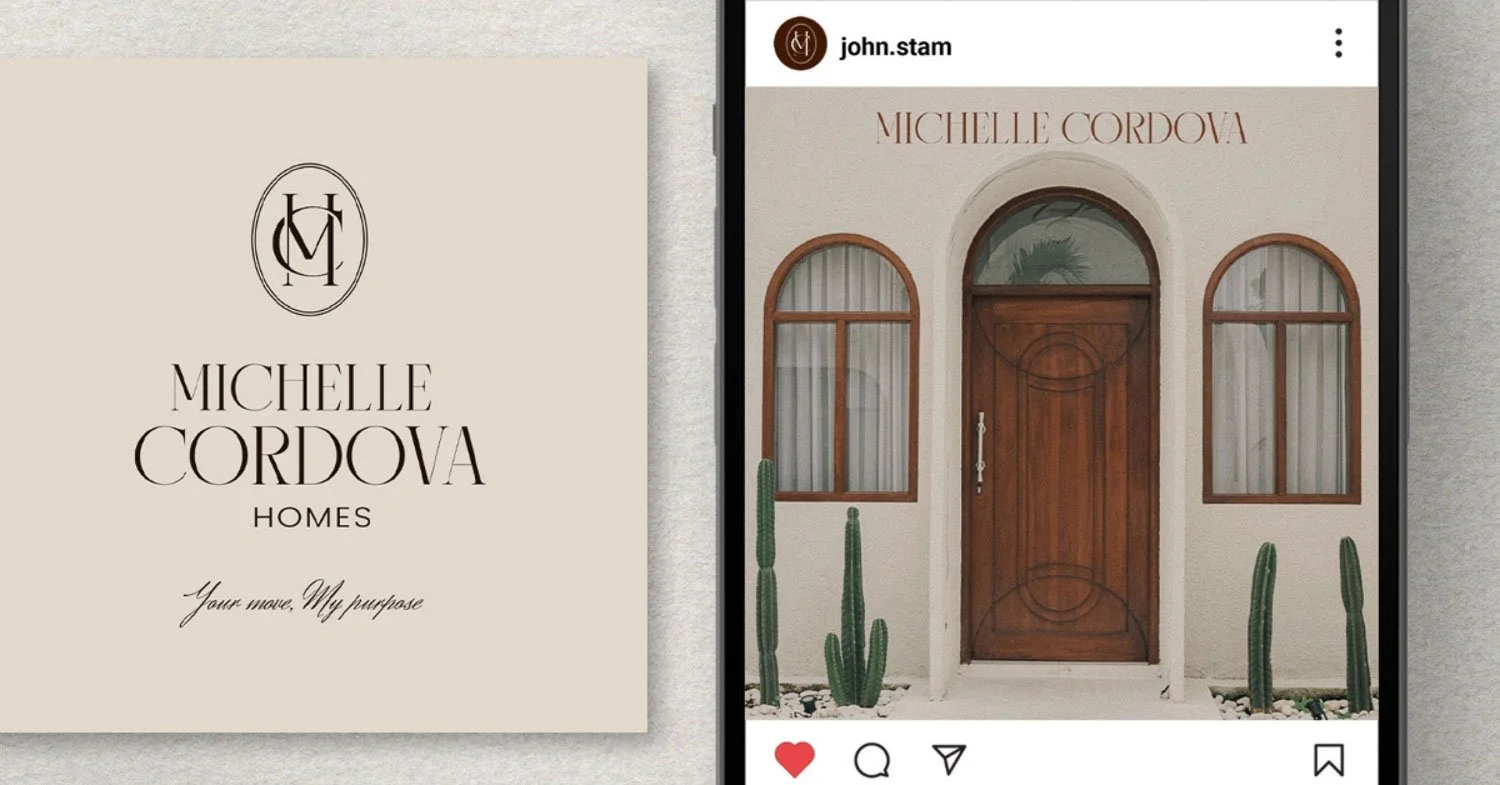
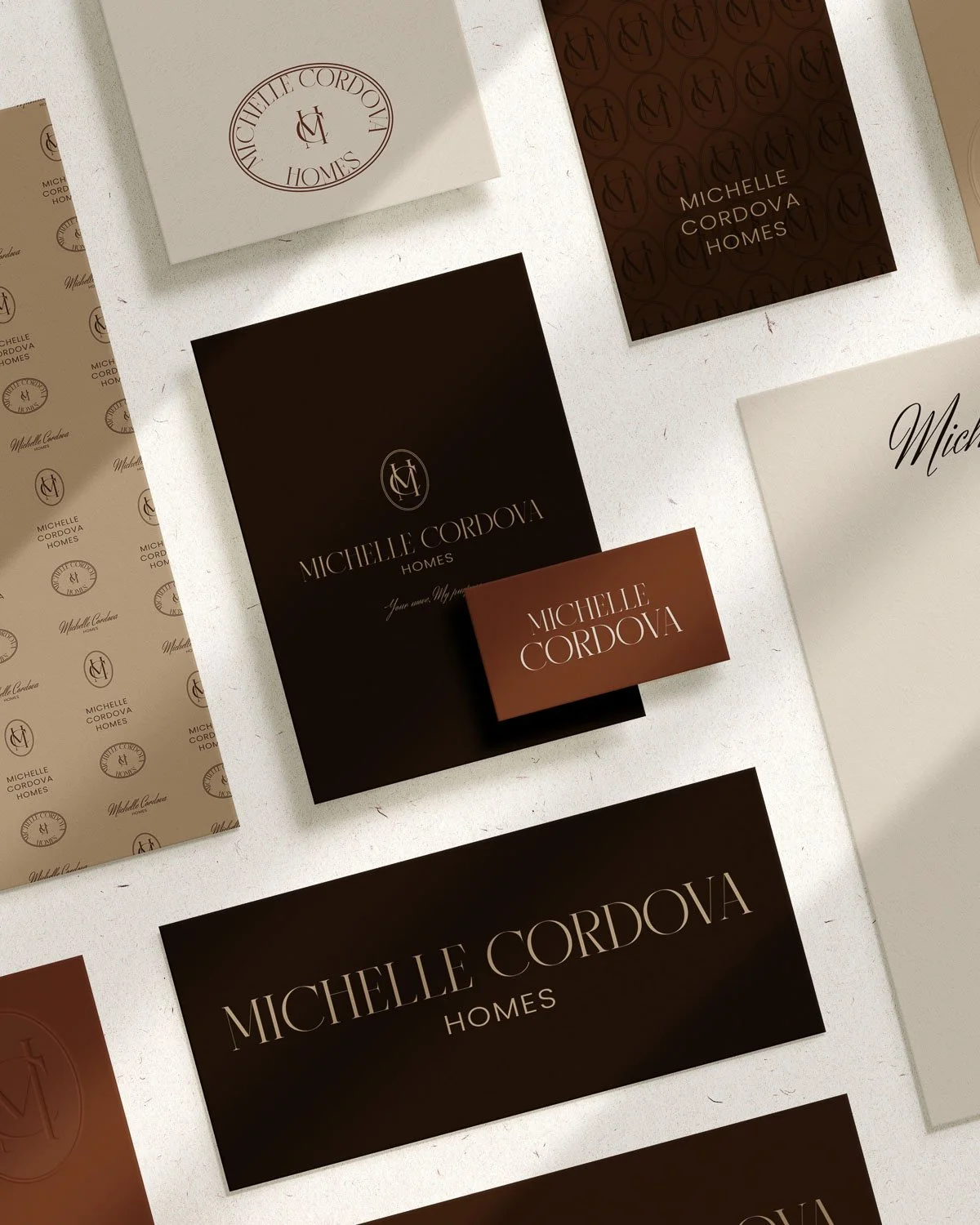
Your brand design should visually support your brand strategy, not lead it. Fonts, colors, layouts, and imagery should all reinforce your brand pillars and brand message.
When brand design is rooted in strategy, it feels intentional instead of trendy. It grows with your business instead of needing constant refreshes.
Strategy-led design builds trust
People may not consciously notice why a brand feels solid, but they feel it. Strategic brand design builds credibility and makes your business feel established, even if you’re still growing.
Why Brand Pillars Matter Long Term
Brand pillars aren’t just a launch exercise. They’re a long-term tool.
As your business grows, your brand pillars help you:
Stay consistent across new platforms
Make confident marketing decisions
Delegate content creation without losing your voice
Scale without losing clarity
When challenges come up, your brand strategy gives you a filter to evaluate what fits and what doesn’t. They support growth, scaling, and decision making over time.
When faced with new opportunities or challenges, you can ask:
Does this align with our brand pillars?
Does this support our brand message?
Does this strengthen our brand foundation?
If the answer is no, it’s easier to say no. If the answer is yes, you can move forward with confidence.
Common Signs Your Brand Strategy Needs Work

If any of these feel familiar, it may be time to revisit your brand foundation:
Your messaging changes depending on the platform
Your brand looks polished but feels unclear
You struggle to explain what makes you different
Marketing feels harder than it should
Let me be clear, these aren’t failures. They’re just signals that your brand strategy needs refinement.
Final Thoughts and Your Next Step
Brand strategy isn’t about being louder or trendier. It’s about being clear, confident, and aligned. When you build a strong brand foundation and define thoughtful brand pillars, everything else becomes easier, from brand messaging to brand design to long-term growth.
If your brand strategy feels messy or outdated, or if you’re ready to elevate how your business shows up, Bell & Whistle Design Studio would love to help. We specialize in building strategic foundations that support beautiful design and meaningful growth.
Reach out today and let’s start building a brand strategy that actually works for where your business is going next.